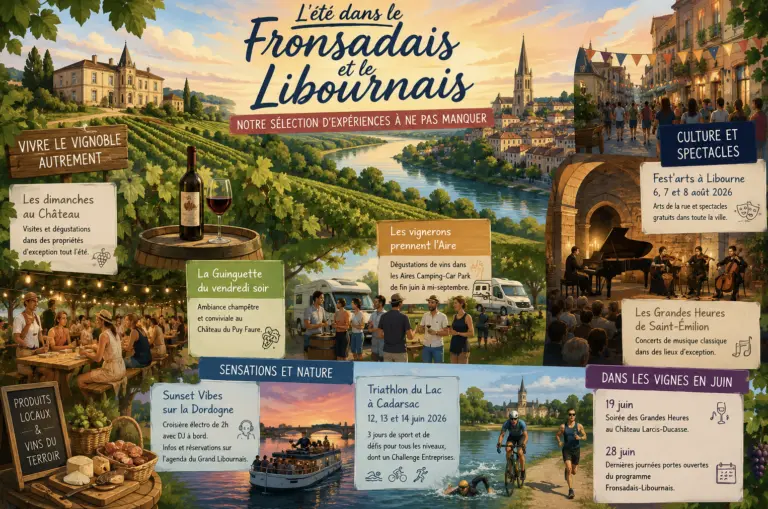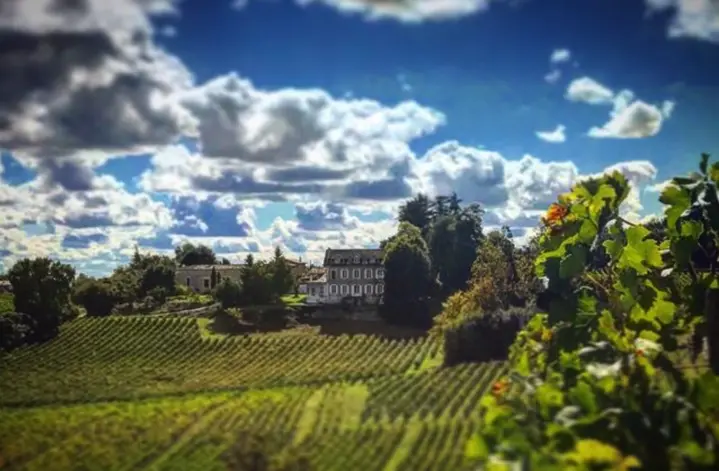
Around Fronsac, you can climb the Tertre de Fronsac for views over the Dordogne, visit châteaux in the Fronsac and Canon-Fronsac appellations, and walk or cycle through the vineyards. Libourne, 5 minutes away, has its market and historic bastide town. Even on rainy days there is plenty to see: read our guide on what to do in Fronsac when it rains.
In one day in Saint-Émilion, visit the monolithic church carved into the rock, climb the bell tower for views over the rooftops and vineyards, and stroll through the cobbled lanes. End with a tasting at a château of the appellation and a stop for macarons, a local speciality. The Jurisdiction of Saint-Émilion has been a UNESCO World Heritage Site since 1999.
Fronsac is the most central base: Château La Fontaine is about 5 minutes from Libourne, 10 minutes from Pomerol and 20 minutes from Saint-Émilion. Staying in Fronsac avoids the prices and crowds of central Saint-Émilion while keeping every visit within half an hour.
The Libournais is the wine region of Bordeaux’s Right Bank, centred on Libourne, where the Dordogne and Isle rivers meet. It includes the Saint-Émilion, Pomerol, Fronsac and Canon-Fronsac appellations. The Fronsadais, around Fronsac, is its hilliest and least touristy part.
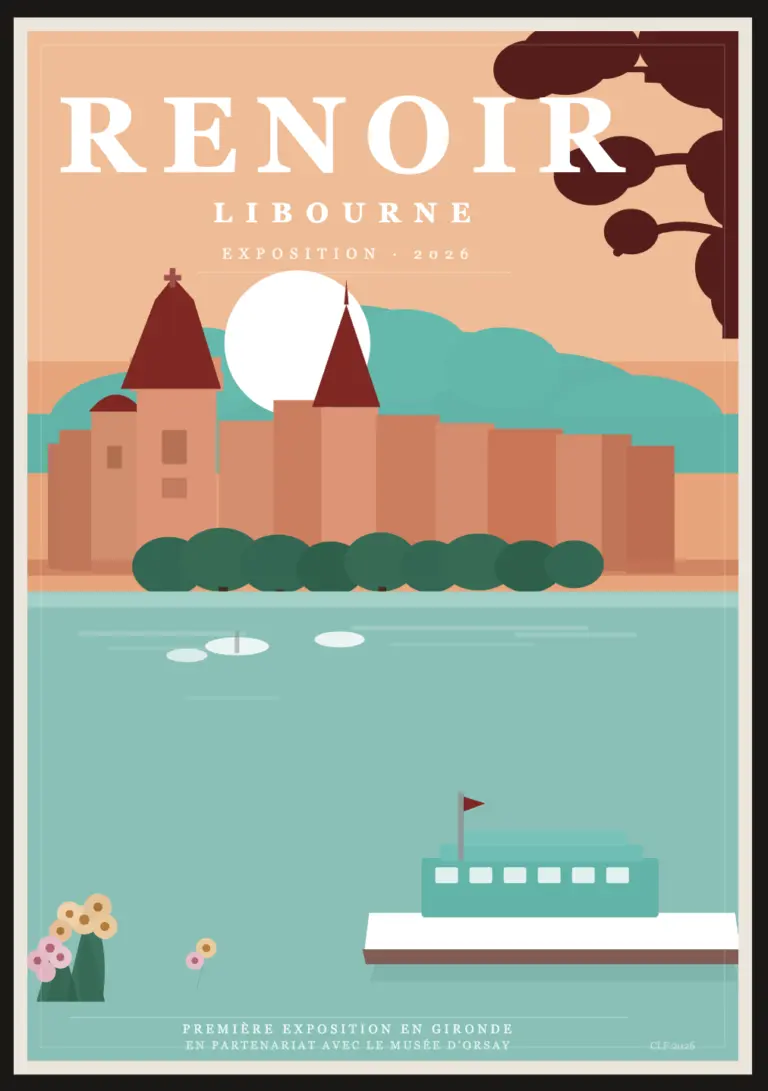
Libourne is a bastide town founded in the 13th century, known for its large arcaded central square and its market, one of the most renowned in Gironde. The town is easy to explore on foot, along the Dordogne quays. In December it becomes Santa’s official headquarters (in French).
With children, the Libourne region can be discovered through Libourne’s Christmas events, bike rides through the vineyards, craft and workshop visits, and the estate’s pool in season. See our selection of craft visits from Fronsac.
The 2027 Tour de France will finish a stage in Libourne on 24 July, a highlight for the whole region: details in our article on the Tour de France 2027 in Libourne (in French). The Fronsac area also runs a regular cultural season: see the 2026-2027 Fronsadais cultural calendar.
September and October are the richest months: harvest time, autumn colours and fewer visitors than in summer. Spring brings appellation open days and mild weather. Summer is the liveliest season, with the estate’s pool as a bonus. Read also about autumn in Fronsac.